A cannabis package can fit a surprising amount of information into a small space. Between percentages, milligrams, dates, batch numbers, ingredients, warnings, and testing details, it's not always obvious which numbers matter or what they actually tell you about the product.
Learning how to read a cannabis label helps you make sense of those details before you use what's inside. While exact labeling requirements vary by state and product type, there are several pieces of information worth checking every time you pick up a cannabis product.
Here's how to work your way around the package and understand what you're reading.
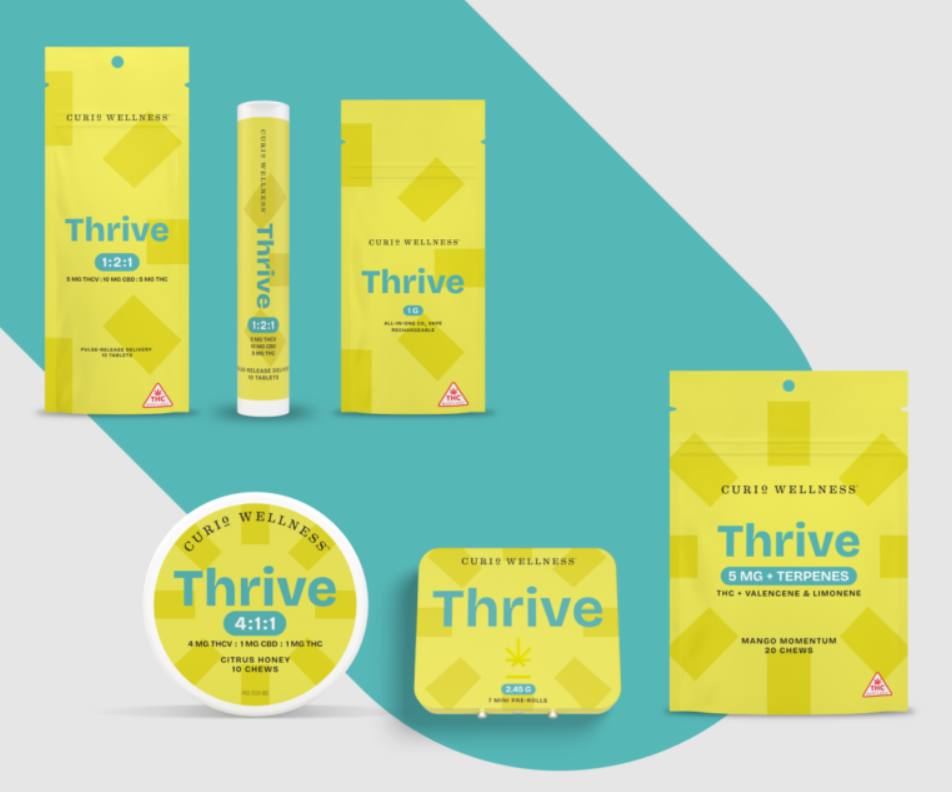
Every cannabis product label contains important information. Don’t forget to read the back!
Start With the Front of the Cannabis Product Label
The front of the package gives you the quickest overview of what you're holding. Depending on the cannabis product, you may see the product or strain name, product type, net weight or quantity, and prominent cannabinoid information.
Don't stop there.
The front is designed to identify the product, but many of the details you'll need to fully understand it appear elsewhere on the cannabis product label. Turn the package over and check the back for info like cannabinoid content, ingredients, serving information, testing details, dates, batch identification, warnings, and storage directions
Think of the front as your introduction and the rest of the label as the details behind it.
Cannabis Label Explained: Percentage vs. Milligrams
One of the first things you'll notice is that cannabis potency isn't always represented in the same way, depending on the type of product.
Flower, vapes, and concentrates usually show cannabinoids as percentages. Chews, tablets, and other precisely portioned consumable products may display cannabinoids in milligrams instead.
Why the difference?
A percentage describes how much of the product's weight consists of a particular cannabinoid. Milligrams tell you the actual quantity of that cannabinoid in a serving, piece, or package
That's why you can’t compare the THC percentage on a jar of flower directly with the milligrams printed on a package of chews. They're different measurements designed to describe different products.
What Does THC Percentage Mean on a Cannabis Label?
The THC percentage on a cannabis label describes the concentration of THC in the product.
For example, flower labeled at 20% THC contains approximately 200 milligrams of THC per gram by weight. But that doesn’t mean that consuming one gram necessarily delivers 200 milligrams of THC to your body. The amount ultimately consumed can vary based on preparation, serving size, consumption method, and other factors.
You may also find THCA listed separately from THC. THCA is a cannabinoid present in raw cannabis that converts into THC when exposed to heat through decarboxylation. Depending on the label and state requirements, you may see THC, THCA, and/or a calculated total THC figure.
So, what does THC percentage mean on a cannabis label? It only tells you about the THC cannabinoid concentration, not how "good" the product is or exactly how you'll feel after using it.
Potency is useful information, but it's only one part of the label.
Look Beyond THC
It's easy for the biggest THC number on the package to grab your attention, but the concentration of other cannabinoids can tell you more about what's inside.
Depending on the product, your cannabis packaging label might list CBD, CBG, CBN, or their acidic precursors in addition to THC and THCA. Some cannabis products intentionally combine multiple cannabinoids, making the complete cannabinoid panel especially useful.
You may also see terpenes such as limonene, myrcene, pinene, linalool, or caryophyllene listed on certain products. Terpenes contribute to cannabis aroma, flavor, and effects and are another piece of the product's overall chemical profile.
Rather than judging a product by one large number, read all of the cannabinoid and terpene information together.
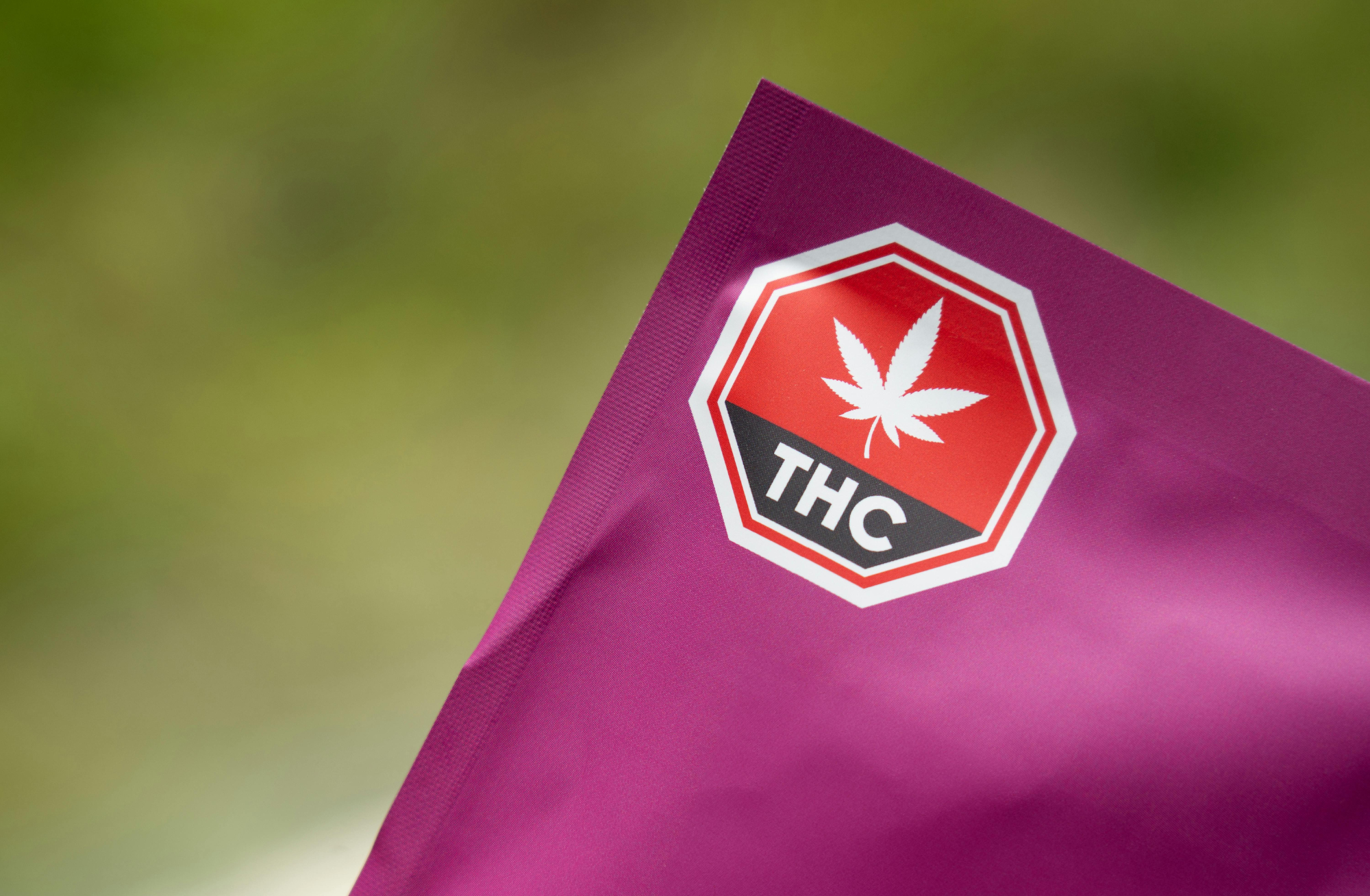
There is so much more to cannabis than THC! The product label will tell you everything you need to know.
What Is the Batch or Lot Number on a Cannabis Package?
Among all those percentages and product details, a string of letters or numbers labeled "batch" or "lot" can be easy to overlook.
But if you’ve spotted it, you may be wondering what is the batch or lot number on a cannabis package?
A batch or lot number identifies the specific production group associated with your product. Cannabis is tested and tracked in batches, which allows every package to be connected with specific production and testing records.
This matters because cannabis products aren't necessarily identical from one batch to another, especially when they’re strain-specific. Flower is an agricultural product, so cannabinoid and terpene levels can naturally differ between harvests of the same cultivar.
The batch number helps identify the results that apply to the exact product you're actually holding rather than any package with the same name.
Check Testing and Date Information
Your label may include several dates, and they don't all mean the same thing.
Depending on the product and local requirements, you might find a production or packaging date, testing date, expiration date, or best-by date. Read the wording beside each date to know what it represents.
Testing information may also appear directly on the package or be accessible through a QR code. This information connects the product with laboratory testing for cannabinoid potency and other state-required testing.
If you're comparing a label with information you've seen online, use the information attached to your particular package as your reference. Testing results can differ between batches.
Read Serving Information Before Opening the Package
For chews, tablets, and other portioned cannabis products, pay particular attention to the difference between per serving and per package.
For example, a package of edibles containing 100 milligrams of THC is often divided among 10 equal servings. In that case, each serving contains 10 milligrams, even though 100 milligrams may be displayed elsewhere on the package.
Also check whether one physical piece equals one serving. It isn't safe to assume that it does.
Cannabis labels provide the serving and dosage information for each particular product.
Also Look For Ingredients, Allergens, & Directions
Cannabinoids aren't the only ingredients worth reading.
Edibles and other formulated cannabis products should include an ingredient list. Check it for any ingredients you avoid and review allergen statements. Products may also include specific storage or use instructions that should be followed.
Carefully reading the label is particularly important when you're trying a product for the first time. Two products that contain the same amount of THC aren't necessarily interchangeable. Their ingredients, cannabinoid combinations, serving instructions, and product types may be very different and can change the effects considerably.
Don’t Skim Past the Warnings
It’s extremely important to read the required cannabis warnings!
Your package may contain state-specific cannabis symbols, age or patient restrictions, impairment warnings, storage requirements, and other safety information. Because regulations vary, a cannabis product sold in one state may have different required wording or label elements than a similar product sold elsewhere.
And no matter what the label says, always keep any cannabis products securely stored away from children and pets. Never drive or operate machinery while impaired by cannabis.
Read both the front and back of cannabis packaging for complete ingredients, batch testing data, and more.
Read the Label as Part of Your Cannabis Routine
Once you know how to read a cannabis label, all those tiny numbers and abbreviations become much more useful.
Start with the product info on the front, then turn the package over and scan the qr code if there is one. Check the cannabinoid information, serving details, batch number, dates, ingredients, testing information, directions, and required warnings. For cannabis products you purchase more than once, checking the label each time can also help you spot differences between batches.
Most importantly, read the label on the product that's actually in your hands. It's your best source for the specific potency, ingredients, serving information, and any other details that apply to that package.
The next time you pick up a cannabis product, take an extra minute before opening it. There's a lot more to the label than the THC number.
Cannabis products are intended only for qualifying patients and/or or adults 21 and older.
FAQs: How to Read a Cannabis Product Label
-
When learning how to read a cannabis label, check the product name and type, cannabinoid content, net weight, serving information, ingredients, allergens, batch or lot number, testing details, dates, directions, and required warnings. Read both the front and back of the package for complete information.
-
The THC percentage on a cannabis label describes the concentration of THC by weight. For example, flower labeled 20% THC contains approximately 200 milligrams of THC per gram by weight. It does not indicate exactly how much THC your body will absorb or guarantee how the product will affect you.
-
Cannabis flower, vapes, and concentrates commonly display cannabinoid concentrations as percentages, while chews, tablets, and other portioned products may use milligrams. A percentage describes cannabinoid concentration by weight, while milligrams indicate the quantity in a serving, piece, or entire package.
-
The batch or lot number on a cannabis packaging label identifies the specific production group associated with that product. It connects the package with relevant production and testing records. This is useful because cannabinoid and terpene results can differ between batches, even for products with the same name.
-
THCA is a cannabinoid naturally present in raw cannabis. When heated, THCA converts into THC through a process called decarboxylation. Depending on the product and state labeling requirements, a cannabis product label may list THC, THCA, and/or a calculated total THC value.
-
The total cannabinoid content of a package isn't necessarily the amount in one serving. For example, a package containing 100 milligrams of THC could contain ten 10-milligram servings. Check the cannabis label to determine the cannabinoid content per serving and whether one piece equals one serving.
-
Depending on the product and local requirements, a cannabis packaging label may include production, packaging, testing, expiration, or best-by dates. Read the description next to each date rather than assuming what it represents, since each provides different information about the product.
-
Cannabis products with the same name can differ between batches, particularly flower and other strain-specific products. Reading your cannabis label each time lets you check the cannabinoid and terpene levels, batch information, ingredients, serving instructions, testing details, and warnings that apply to the exact package you purchased.